
근원의 궤적들
Routes of the Roots
이미래
스카이 진
장세진 (사라 반 데어 헤이드)
우마 피드
기획 — 조율
《근원의 궤적들》은 한국의 해외입양을 둘러싼 경험에서 시작한다. ‘어디에서 왔는가’라는 물음은 한 사람의 출신이나 과거를 묻는 데서 그치지 않는다. 출생지와 가족, 국가와 문화적 배경처럼 저마다 다른 이야기가 하나의 출발점으로 모이면, 한 사람의 이야기는 특정한 장소와 서사 안에서 설명된다. 이 과정에는 무엇을 출발점으로 삼을 것인지, 그리고 어떤 이야기를 기억하고 전할 것인지에 대한 선택이 함께 놓여 있다.
참여 작품들은 이러한 선택을 각자의 방식으로 들여다본다. 가족 안에서 전해져 온 기억과 문화적 기억, 반복적으로 제시되어 온 이미지와 역사적 서사, 개인의 삶과 경험은 서로 다른 자리에서 되짚어진다. 그 안에서 하나의 기억에는 여러 장소와 시간이 겹쳐 있고, 익숙하게 받아들여진 이야기는 다른 맥락에서 다시 읽히기도 한다.
이처럼 작품들이 향하는 방향은 하나로 모이지 않는다. 이들은 돌아가야 할 하나의 자리를 찾기보다, 기억과 이야기가 이동하고 변해가는 여러 경로를 따라간다. 《근원의 궤적들》은 이러한 경로들이 남긴 궤적 위에서 우리가 근원이라 부르는 것이 어디에서, 무엇으로 만들어지는지 다시 묻는다.
조율은 스톡홀름을 기반으로 활동하는 큐레이터이다. 스톡홀름대학교에서 큐레이팅 석사과정을 마쳤으며, 이동과 소속, 장소와 기억이 형성되고 재현되는 방식에 관심을 갖고 있다. 비영리 큐레토리얼 협회 close-enough를 공동 설립했으며, 아시아와 그 디아스포라와 연결된 스웨덴의 예술적 실천을 살펴보는 플랫폼 MAAPS(Mapping Asian Art Practices in Sweden)를 공동 운영하고 있다.
웹사이트
인스타그램
제20회 부산국제비디오아트페스티발 주제전
20th BIVAF Thematic Program
Mirae kh Rhee
Skye Jin
Sara Sejin Chang (Sara van der Heide)
Uma Feed
Curated by Yul Cho
Routes of the Root begins with experiences surrounding transnational adoption from South Korea. The question of “where one comes from” does not simply ask about a person’s background or past. When different stories, such as birthplace and family, nation and cultural background, come together as a single point of departure, a person’s story is understood within a particular place and narrative. This process also involves choices about what to take as a starting point, and which stories to remember and pass on.
The participating works explore this choice in their own ways. Memories passed down within families and cultural memories, images and historical narratives that have been repeated over time, and personal experiences and lives are revisited from different positions. Even within a single memory, different places and times may overlap, and stories that have come to feel familiar can be read differently in another context.
The works do not lead towards a single destination. Rather than searching for one place to return to, they follow the different routes through which memories and stories move and change. Routes of the Root asks, along the traces left by these routes, where and through what, what we call a root is formed.
Cho Yul is a curator based in Stockholm. She holds a master’s degree in Curating Art from Stockholm University and is interested in how movement, belonging, place, and memory are shaped and represented. She co-founded the non-profit curatorial association close-enough and co-runs MAAPS (Mapping Asian Art Practices in Sweden), a platform exploring artistic practices connected to Asia and its diasporas in Sweden.
Website
이미래, 〈네 명의 어머니가 있었다면〉
2025, 단채널 비디오, 흑백, 사운드, 4분 38초. 작가 제공.
Mirae kh Rhee, If I Had Four Mothers (Si j’avais quatre mères)
2025, Single-channel video, B&W, sound, 4 min. 38 sec. Courtesy of the artist.
.jpg)
〈네 명의 어머니가 있었다면〉은 부재하는 어머니에게 보내는 시적인 영상 편지로, 도둑맞은 시작이 남긴 파편적인 사후의 삶들을 추적한다. 사변적인 내레이션과 아카이브 이미지를 통해, 작가는 크리스 마커가 촬영한 한국 여성들의 얼굴 속에서 자신을 알아볼 수 있는 흔적을 찾으며, 상실과 기억과 거부를 담아낼 수 있을 만큼 충분히 넓은 하나의 프레임을 찾아 나선다.
개인적인 성찰을 문학적·이론적 단편들과 엮어내며, 이 영화는 사진과 가시성, 그리고 초국가적 입양이 지닌 해소되지 않은 긴장들을 성찰한다. 또한 바라봄의 윤리를 질문하며, 특히 한국 여성들의 이미지가 서구의 시선과 아카이브의 틀을 통해 유통될 때, 저작권과 동의, 그리고 문화적 전유를 둘러싼 미해결의 문제를 드러낸다.
이 작품은 닫힌 결말을 구하는 대신, 흔적들을 모으고 침묵을 향해 말을 건넨다. 이를 통해 낳아준 어머니, 위탁모, 입양모, 그리고 모국이라는 네 명의 어머니로 이루어진 하나의 별자리를 그려낸다.
If I Had Four Mothers (Si j’avais quatre mères) is a poetic video letter to an absent mother, tracing the fragmentary afterlives of a stolen beginning. Through speculative narration and archival imagery, the artist searches for recognition in the faces of Korean women photographed by Chris Marker—and for a frame wide enough to hold loss, memory, and refusal.
Interweaving personal reflection with literary and theoretical fragments, the film meditates on photography, visibility, and the unresolved tensions of transnational adoption. It also questions the ethics of looking—particularly when images of Korean women circulate through Western lenses and archival frameworks, raising unresolved questions of authorship, consent, and cultural appropriation.
Rather than seeking closure, the film gathers traces and speaks into silence, assembling a constellation of mothers: birth, foster, adoptive, and the mother-state.
스카이 진, 〈나의 증조할아버지〉
2004, 단채널 비디오, 컬러, 스테레오 사운드, 7분 25초. 작가 제공.
Skye Jin, My Great Grandfather
2004, Single-channel video, color, stereo sound, 7 min. 25 sec. Courtesy of the artist.

칼 닐센, 나의 증조할아버지에게. 모큐멘터리.
두 살 무렵, 나는 모국어인 한국어를 잊어버렸다. 그 후로 나는 덴마크 문화와 언어, 음식, 사람들에 둘러싸여 자랐다. 내가 한국어로 ‘집은 어디인가요?’라고 물었을 때, 대답할 수 있는 사람은 아무도 없었다.
이 모큐멘터리는 2004년 덴마크 문화부가 유럽 전역의 민족주의 고조와 때를 같이하여 ‘덴마크 문화 정전’를 발표했을 때 만들어졌다. 덴마크인에게 가장 사랑받는 작곡가 중 한 명으로, 찬송집과 가곡집을 편찬했던 칼 닐센은 당연히도 그 중심적인 자리를 차지했다. 그러나 동시에 연구를 통해 그가 자신이 살던 시대의 민족주의 운동에 참여하며 민족적 정서와 미학을 정의하려 했다는 사실이 드러났다. 그러니 이 경우 민족적 미학의 발명은 진정한 전통에 기반한 것이 아니라, 앞선 시대의 발명 위에 다시 쌓아 올린 또 하나의 발명인 셈이다.
그의 음악은 덴마크 고유의 특징이라 할 만한 패턴이나 양식이 있는지 숱하게 분석되어 왔지만, 유럽의 여러 음악적 흐름에서 받은 영향 외에는 그러한 것이 발견된 바 없다. 그의 아내이자 나와 같은 덴마크 왕립미술아카데미 출신의 조각가인 안네마리 칼 닐센에게서는, 여성 예술가이자 어머니로서 자신의 가족과 남편, 그리고 자신의 작업 사이에서 갈피를 찾으려 애쓴 흔적을 여러 지점에서 발견할 수 있었다. 두 사람 모두 예술가의 삶과 가정의 삶, 그리고 예술가에 대한 경제적 보상이 모든 층위에서 서로 양립할 수 없어 보인다는 사실을 성찰한 바 있는데, 칼 닐센은 그의 대표곡이자 덴마크에서 널리 사랑받는 가곡 〈옌스 바이만〉을 작곡한 대가로 단돈 50 크로네를 받은 바 있다.
덴마크 백인 부모 아래 다른 문화 속에서 자라난 한국인 입양인으로 살아가면, 이중의 관찰자가 된다. 주변인인 동시에 내부인, 동화된 존재이자 타자성을 몸으로 겪어낸 존재는 감상적인 민족주의적 뿌리내림으로부터 묘하게 거리를 둔 채 남게 된다.
To Carl Nielsen, my Great Grandfather. Mockumentary.
I forgot my first language, Korean, when I was two years old. From then on, I was surrounded by Danish culture, language, food and faces. And no-one could answer back when I asked in Korean: where is home?
I made this mockumentary when the Danish Ministry of culture in 2004 initiated a Danish Culture Canon simultaneously with a European rise in nationalism. Carl Nielsen being one of the most productive and beloved Danish composers and curator of psalmbooks and song collections was of course a central part of this. At the same time, research showed that he himself had been part of a nationalist movement in his time, trying to define a national sentiment and aesthetic. So it seems, the invention of national aesthetics builds on previous inventions in this case, rather than real traditions.
His own music has been analyzed for patterns or styles that can be thought of as specific to a Danish characteristic, but other than being influenced by European movements, there has not been found any. His wife, artist Anne-Marie Carl Nielsen went to the Royal Danish Academy of Fine Arts as myself and in many aspects I can see how she tried to find her way as a female artist and mother, torn between her family, her husband and her work. They both reflected on how artistic lives, family life and the financial appreciation of artists seemed incompatible on all levels, Carl being paid 50 Danish kroner once for Jens Vejmand, one of the most known of his songs and a widely beloved part of the Danish cultural heritage.
As a Korean adoptee growing up in another culture with white, Danish parents, you become a double spectator; outsider and insider, assimilated and an embodied experience of otherness, therefore strangely detached from sentimental nationalistic rootedness.
스카이 진, 〈새로운 노래책〉
2005, 단채널 비디오, 컬러, 스테레오 사운드, 16분 23초. 작가 제공.
Skye Jin, New Songbooks
2005, Single-channel video, color, stereo sound,
16 min. 23 sec. Courtesy of the artist.
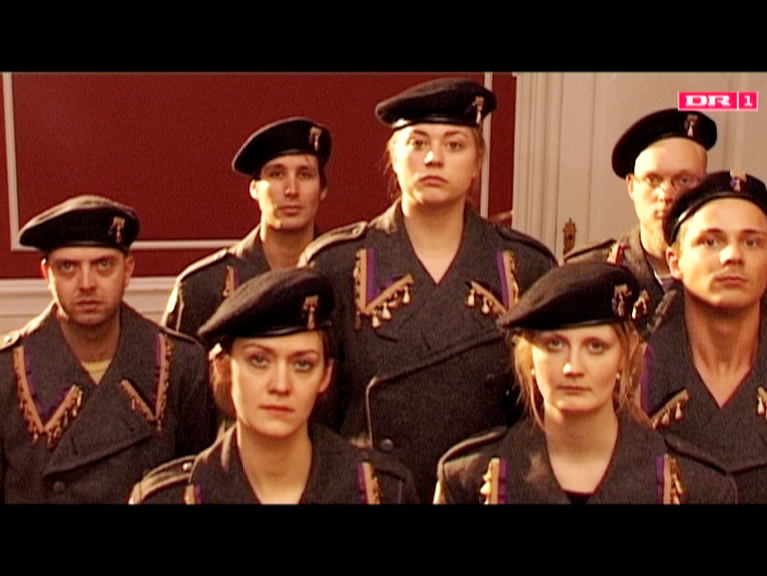
〈새로운 노래책〉은 작곡가 크리스티안 빈터 크리스텐센, 시인 마야 리 랑그바드와의 협업을 통해 만들어졌다. ‘문화적 식인’이라는 개념을 제시한 오즈왈드 드 안드라드의 『식인 선언(Anthropofagic Manifesto)』에서 영감을 받아, 나는 음악과 글쓰기, 미술, 언어, 심지어 텔레비전에 이르기까지 전통적인 형식의 작품들에서 재료를 발굴하고, 이를 새롭게 읽고 조합하고 뒤틀어 보는 일련의 프로젝트를 시작했다. 〈새로운 노래책〉은 복수의 퍼포먼스 악보와 더불어 이 프로젝트의 일부이다.
프로젝트를 통해, 나는 타자, 혹은 이민자라는 주인공을 역사와 민족문화 생산의 중심에 세운다. 나의 아시아적 뿌리가 서구적 맥락 속에서 흔히 서비스업의 기능이나 생산 라인의 모습으로 비춰지는 것과 달리, 재봉틀을 연주하며 지휘자 복장을 한 이 인물은 하나의 민족적 존재를 다시 조립하고, 심지어 요리해낸다. 그 존재는 안쪽이자 동시에 바깥쪽에 있으며, 예술적 요소들에 대한 기억과 비판과 사랑으로 가득 차 있다. 깃발을 닮은 천을 꿰매면서 억눌리는 대신, 나는 즐거운 기분으로 칼 닐센의 곡 몇 소절을 휘파람으로 분다. 나는 이 공장의 노동자이자 소유주이며, 이 모든 것이 하나의 목소리 안에 있다.
New Songbooks is a collaboration between me, composer Christian Winther Christensen and poet Maja Lee Langvad. Inspired by Oswald de Andrade’s Anthropofagic Manifesto that introduced the term ‘cultural cannibalism,’ I initiated a series of projects that found its material in traditional forms of works in music, writing, art, language and even television, and suggested new readings, combinations and distortions. New Songbooks is one of these projects together with numerous performance partitures.
In these projects, I put the other, or the immigrant protagonist, in the center of history and national culture production. Whereas my asian roots often mirror a service function or production line in a western context, my sewing machine performing, conductor-suit dressed character reassemble, or even cook up, a national being, that is both inside and outside, full of memories, critique and love for the artistic elements. Instead of being suppressed while sewing the flag-like fabric, I whistle small parts of Carl Nielsen in a joyous mood. I am the worker at and the owner of this factory, all in one voice.
스카이 진, 〈그들이 말하는 방식으로 말하라 (미스 진과 미혼모들)〉
2009, 단채널 비디오, 컬러, 스테레오 사운드, 15분 19초. 작가 제공.
Skye Jin, Tell It the Way They Tell It (Miss Jin & The Unwed Mothers)
2009, Single-channel video, color, stereo sound, 15 min. 19 sec. Courtesy of the artist.

작품의 제목 〈그들이 말하는 방식으로 말하라(미스 진과 미혼모들)〉은 하나의 인류학적 격언에서 비롯되었다: 연구 대상이 되는 어떤 문화나 사람들처럼 사유하기 위해서는, 그들이 말하는 방식 그대로 말하라는 것이다. 부제는 뮤직비디오라는 형식과, 한국에서 끊임없이 몸집을 키워가는 케이팝 산업을, 20만 명이 넘는 영아를 해외 입양으로 내보내며 가족의 유대를 끊어낸 한국 사회의 집단적 트라우마와 포개어놓는다는 발상에서 비롯되었다.
이전의 여러 작업들에서와 마찬가지로, 나는 개인의 정체성이 집단적 상상과 해석, 혹은 투사를 통해 어떻게 형성되는지에 관심이 있었다. 문화산업에 종사하는 우리 모두가 결국 상업적 이해관계에 복무하며 급여를 받고 창작 노동 시간의 대부분을 쓰고 있다면, 행위주체성과 예술적 저작권, 비판적 목소리는 대체 어디에서 비롯되는 것일까?
한 예술가가 홀로 문화 비평을 생산해내는 단계에서, 다른 이해관계자들과 제작상의 요구가 얽혀 있는 더 큰 규모의 프로덕션과 예술적 맥락으로 나아가는 그 전환의 순간에는 무슨 일이 일어나는가?
나는 이 프로젝트를 위해 퍼포먼스적 콘셉트를 써 내려갔고, 함께 작업할 다양한 전문가들로 구성된 팀을 꾸렸다. 집단적 숙의를 거치는 수평적인 위계의 작업 과정 속에서, 영화감독과 촬영팀, 조명, 디자이너와 메이크업 담당, 무용수들, 그리고 큐레이터로 이루어진 팀 전체는 각자의 분야와 실제 작업에 관한 모든 세부 사항에 대해 나와 대화를 나누며 최종 결정권을 행사했다.
스태프는 대부분 덴마크 출신으로, 이들의 주된 생계는 광고와 뮤직비디오, 패션 화보 작업에서 나왔으며, 그 흔적은 작품 곳곳에서 뚜렷이 드러난다. 이것이 하나의 ‘예술’ 영상 작업임을 모두가 의식하고 있었음에도, 그 창작 언어는 자신의 출처를 감출 수 없었다. 이 제작 과정 자체는 다른 중대형 규모의 예술 프로덕션들과 크게 다르지 않았다: 여러 아이디어와 지식이 모인 팀의 협업이었고, 작가는 그 작업의 브랜드이자 식별 표지로서 존재했다.
미혼모와 애착, 상실을 둘러싼 이야기로 구성되었던 최초의 아이디어는, 비록 서구의 유럽 문화 제작팀이라는 이 집단적 시선을 통해 여과되고 해석되었을지라도, 여전히 그 안에 어느 정도 남아 있다.
The title stems from an anthropological saying: tell it the way they tell it, in order to think as a culture or people being studied. The subtitle have the concept of merging the music video and the ever growing K-pop industry in South Korea with the collective Korean trauma of exporting 200.000+ of its infant citizens away for adoption and breaking family bonds.
As in many of my earlier works, I was interested in how individual identities come into being through collective imaginations, interpretations or projections. From where comes agency, artistic authorship and critical voice, when all of us in the cultural industries make our salaries and spend most of our creative work hours in service of commercial interests in the end?
What happens in the shift from when an artist, by themselves, produce cultural critique and then progress into bigger productions and art contexts with other stakeholders and production demands?
I wrote a performative concept for the project and found a diverse group of professionals to work with. In a flat hierarchy process with collective meditations, the whole team consisting of a film director, camera crew, lighting, designer and makeup, dancers and the curator had final say on all details regarding their fields and hands-on work, in dialogue with me.
The crew were mostly from Denmark and found most of their money-jobs within commercials, music videos and fashion, which also clearly shows. Although being aware of doing an “art” video, the creative language cannot hide its origin. The production was in itself not unusual from other medium-to-big art productions: a team effort of ideas and knowledge with the artist as a brand or identifier of the work.
The initial idea which consisted of a storyline around unwed korean mothers, attachment and loss is somewhat still there although filtered and interpreted through this collective gaze of a Western, European cultural production team.
장세진 (사라 반 데어 헤이드), 〈4개월, 4백만 광년〉
2020, 단채널 비디오, 컬러, 스테레오 사운드, 35분. 작가 제공.
Sara Sejin Chang (Sara van der Heide), Four Months, Four Million Light Years
2020, Single-channel video, color, sound, 35 min. Courtesy of the artist.

〈4개월, 4백만 광년〉은 시공간을 가로지르는 샤머니즘적 치유의 여정이다. 작품은 초국가적·초인종적 입양의 배경에 놓인 식민주의적 서사를 풀어내며, 특히 네덜란드와 한국 사이의 역사적 관계를 들여다본다.
네덜란드인 니콜라스 비첸의 판화 〈퉁구스에서 온 샤먼 혹은 악마의 사제(Een Schaman ofte Duyvel-Priester)〉(1692)가 시간을 관통하는 영적 여정의 시발점이다. 이 판화는 서구에서 샤먼을 묘사한 최초의 기록으로, 유럽 백인들이 아시아인을 인종화하고 유아화된 존재로 묘사해 온 오랜 역사의 시작점이자, 선교사들에 의해 샤머니즘 문화가 폭력적으로 소멸되어 온 역사를 보여준다.
작업은 현재의 네덜란드에서 출발해, 한국전쟁에 참전한 3,418명의 네덜란드 군인과 당시의 역사를 거슬러, 초기 네덜란드 식민주의자들이 아시아인을 묘사했던 기록으로 시간여행을 떠난다. 네덜란드에서만 약 4만 명이 남반구 국가들에서 입양되었으며, 이 과정에서 아동 인신매매와 허위 서류 작성이 빈번하게 이루어졌다.
제목의 ‘4개월’은 수익성 높은 초인종적 입양 산업에서 입양이 법적으로 가능해지기 위해 한국의 고아원에서 최소 4개월을 머물도록 규정했던 법을 가리킨다. 이 산업은 한국전쟁 이후 본격적으로 성장했으며, 300년 전부터 이어져 온 동일한 식민주의적 이미지를 바탕으로 지금까지 존속하고 있다.
2021년 2월 8일, 네덜란드 정부는 초국가적 입양에 내재된 구조적인 학대와 인신매매, 사기 문제를 이유로 초국가적 입양을 중단하기로 결정했다. 정부는 입양의 과거를 가진 남성과 여성들에게 공식적으로 사과했다. 현재 플란데런에서는 초국가적 입양과 관련된 불법행위에 대한 조사가 진행되고 있다.
※ 〈4개월, 4백만 광년〉은 본래 샤머니즘적 비디오 설치 작품으로,
제20회 부산국제비디오아트페스티발 주제전에서는
작가의 동의를 받아 작품을 스크리닝 형식으로 선보인다.
Four Months, Four Million Light Years is a shamanic healing journey through space and time. The film unravels the colonial narratives behind transnational and transracial adoption, specifically the historical relations between the Netherlands and Korea.
The colonial print Een Schaman ofte Duyvel-Priester [Shaman or Devil’s Priest from the Tungus, 1692] by Dutchman Nicolaes Witsen acts as a pivotal point for a spiritual journey through time. This print is the first Western depiction of a shaman. It marks the beginning of a long history of racialized and infantilizing descriptions of Asian people by white Europeans and the violent eradication of shamanistic cultures by missionaries.
The film time-travels from contemporary Dutch society and the participation of 3,418 Dutch soldiers in the deadly Korean War (1950–1953) to early Dutch colonial descriptions of Asian people. In the Netherlands alone around 40,000 people have been adopted from the Global South, often through child trafficking and with falsified documents.
The four months of the title refer to a law that required a minimum stay of four months in a Korean orphanage in order to become adoptable by law for the lucrative transracial adoption industry. This industry started to flourish after the Korean War and continues to live off the same colonial imagery from 300 years ago.
On 8 February 2021 the Dutch government has decided to end transnational adoptions, because of the systemic abuse, trafficking, and fraud inherent to them. The government has offered apologies to men and women with an adoption past. Flanders is currently investigating malpractices related to transnational adoption.
※ Four Months, Four Million Light Years (2024)
is normally presented as a shamanic film installation.
For the occasion of the Busan International Video Art Festival (BIVAF),
the artist has given permission for the film
to be presented as a single screening.
우마 피드, 〈유일한 이야기〉
2019, 단채널 비디오, 컬러, 스테레오 사운드, 14분 19초. 작가 제공.
Uma Feed, The Only Story
2019, Single-channel video, color, stereo sound,
14 min. 19 sec. Courtesy of the artist.
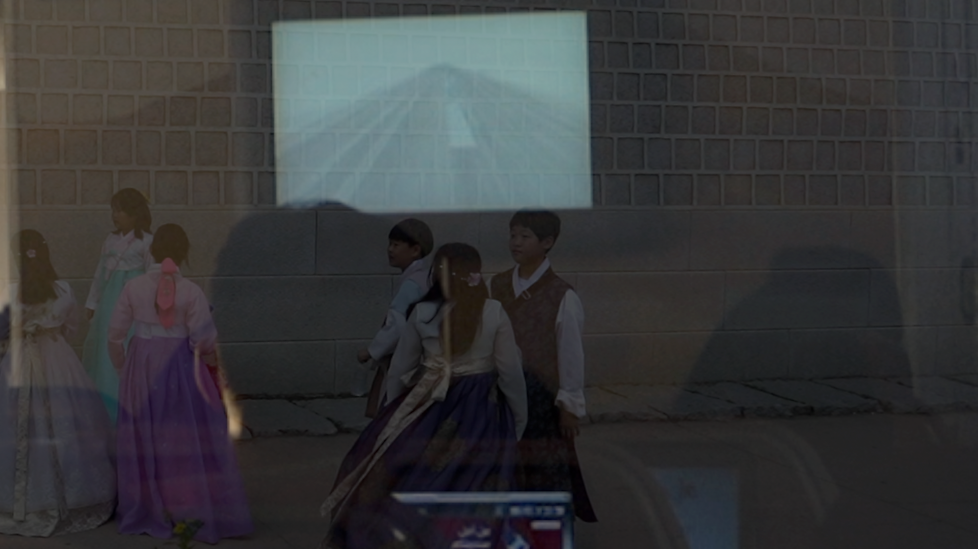
이 예술 작품을 초국가적 입양으로 자신의 아기를 잃은 모든 생모들에게 바친다. 그 고통과 수치심을 내가 대신 가져갈 수 있다면 얼마나 좋을까.
할 수 있는 한 크게 외치고 싶다. 엄마! 저는 엄마를 원망하지 않아요!
-
〈유일한 이야기〉는 노르웨이에서 한국으로 돌아가는 우마의 여정을 따라간다. 그녀는 그곳에서 자신의 입양을 둘러싼 정황과, 어린 시절부터 품어온 질문들을 다시 들여다보기 시작한다. 기억과 몸, 가족, 그리고 소속감에 대한 성찰을 통해, 이 작품은 자신의 이야기 가운데 기억될 수도 답해질 수도 없는 부분들이 지나간 자리에 무엇이 남는지를 사유한다.
I dedicate this art piece to all the biological mothers out there who have lost their babies to transnational adoption, how I wish I could take away the pain and the shame.
Let it be said, as loudly as I can: Mother! I don’t blame you!
-
The Only Story follows Uma’s journey from Norway back to Korea, where she begins to revisit the circumstances of her adoption and the questions she has carried since childhood. Through reflections on memory, the body, family, and belonging, the work considers what remains when parts of one’s own story cannot be remembered or answered.